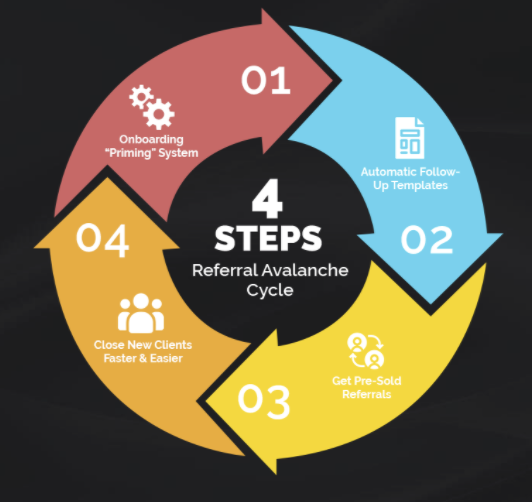
The #1 Way to Activate and Accelerate your SALES!

Activate and Accelerate
your sales pipeline!
Skyrocket Your Results!
Generate Virtual Sales from Cold Leads
with a Personal Approach.
Generate Virtual Sales from Cold Leads
with a Personal Approach.
Add Our Pipeline System to your Marketing:


The Virtual Marketing & Sales
Integrated Platform
That Delivers
a Complete Sale!
FROM A PRE-QUALIFIED LEAD TO A SIGNED DEAL
An Integrated Platform That Ensures a World-Class Customer Experience From The First Touch Point To a Complete Sale!
WITHOUT WASTING TIME AND MONEY ON NEW ADS
Have you thought of all the qualified sales prospects your current Marketing efforts are not able to engage?
Imagine if you have a tool that can:
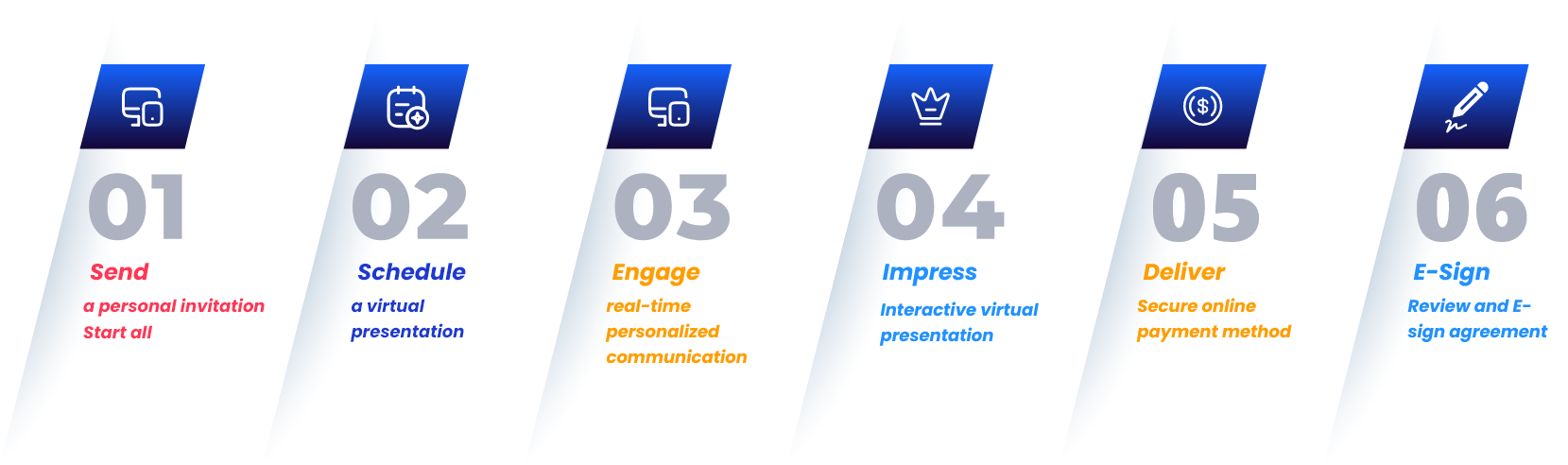
Your best leads and promoters are already in your database. We provide a seamless process to engage and convert these leads in record time by disrupting and shortening your sales cycle dramatically.
- DISRUPT Your Marketing
- ACCELERATE Sales
- SAVE Advertising Dollars
-
AVOID Painful Technology Development Process
Turn Gifting Into Your Highest Performing Channel

We’ve developed a process that
engages your existing clients
and delivers them to your sales team
in record time!
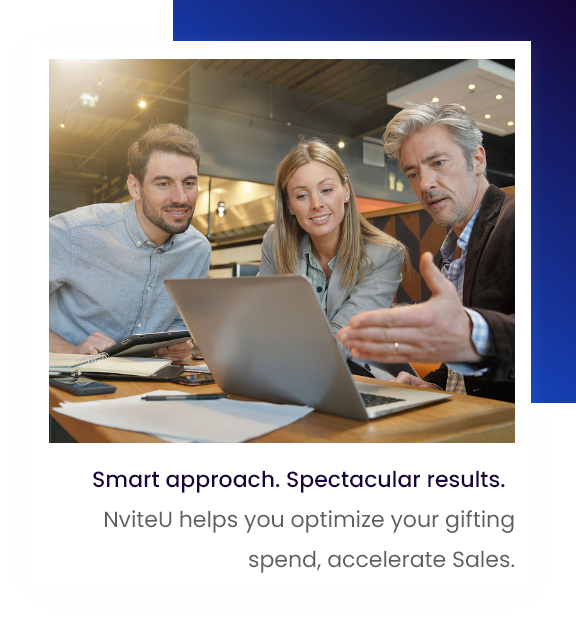
Smart approach with spectacular results.
Digital Traffic Consulting helps you optimize your marketing spend and accelerate Sales.

WHY THIS METHOD WORKS AND IS SO EFFECTIVE?
This is a proven, repeatable system that has helped hundreds of sales teams increase Sales Results by getting more qualified prospects in front of your sales team FASTER!
It's fully customizable to your product, sales process and financing and it works FAST!
And the beauty of it is…
Once installed into your business, it works as an additional sales line:
- Deliver more sales presentations faster
- Retain your best sales talent by providing additional sales opportunities
We’ve been actively engaged in developing innovative Marketing strategies that deliver results for over 10 years, starting with Travel, Vacation Ownership and Real Estate companies, all of which demanded consistent and measurable results.
Leveraging on known techniques of social and consumer behavioral psychology,
and
combining it with latest user experience technology.
This systematic approach turns gifting and incentives into your highest performing channel.
THIS IS FOR YOU IF:

YOU ARE SUCCESSFUL
busy high-ticket fitness coach, looking to take your business to the next level!

YOU KNOW
you SHOULD be asking for referrals, but you hate the awkward conversations and uncomfortable feelings when you do.

EFFORTLESSLY
You want to effortlessly prime your clients to make referrals within the first 7 days of joining you.

REFERRALS
You want regular referrals and leads who are already sold on working with you.

MORE SALES
You want more sales without wasting time and money on new ads.

INCREASE
You want to increase your monthly revenue and stop leaving money on the table.

HIGH - QUALITY
You want more high-quality, referral-driven leads through your door consistently!
Here’s What You Get With Digital Traffic Consulting
- Fully customized solution from A to Z
- Integration with Sales Team Scheduling system
- CRM Support throughout the entire process
-
Payment method integration
-
E-document processing and delivery
WE ARE READY TO HELP YOU GROW YOUR BUSINESS!

We want to be Partners in YOUR SUCCESS
- Low Startup Fees
- No Long-term Commitments
- Pay-Per-Success Pricing
For A Very Limited Time, We Customize
Your Access To The Digital Traffic Consulting Platform
At No Additional Cost!

Request Your DEMO Today!
AND YOU'RE PROTECTED BY A 100% SATISFACTION WARRANTY!
Add Our Pipeline System to your marketing

Customer Testimonials
CUSTOM JAVASCRIPT / HTML
Frequently Asked Questions
I HATE ASKING FOR REFERRALS, WILL THIS STILL WORK FOR ME?
Yes, absolutely! This program was designed to take the awkward discomfort OUT of asking for referrals, and to make the process that much simpler.
HOW LONG UNTIL I START SEEING RESULTS?
This program is designed to help you see results in just 7 days, as long as you follow my system (although it depends on where you are in your business journey!)
I'M BUSY- IS THIS PROGRAM LIVE ATTENDANCE?
Not at all! It’s pre-recorded for optimal accessibility and flexibility for your busy schedule.
WHY IS THIS SO AFFORDABLE?
I’m passionate about what I do, and I want to help you get a head start on your business goals. Plus, if you like what I have to offer, you can always work with me again in the future!
WHAT HAPPENS IF I NEED EXTRA HELP AND SUPPORT?
I have a range of programs and coaching offers available to give you the level of support you need, at any stage of your journey.
Request Your DEMO Today!
AND YOU'RE PROTECTED BY A 100% SATISFACTION WARRANTY!
The #1 Way to Activate and Accelerate your SALES!